Deploy a Medical Record Documentation Agent and Close Charts Today

What it takes off your plate
The AgentWorks Medical Record Documentation Agent takes the first draft of every medical record off your veterinarians. It turns the exam room conversation and the doctor's dictation into a structured SOAP note, points out anything missing, and files it in your practice management software, so doctors can walk into the next exam room instead of back to the keyboard.
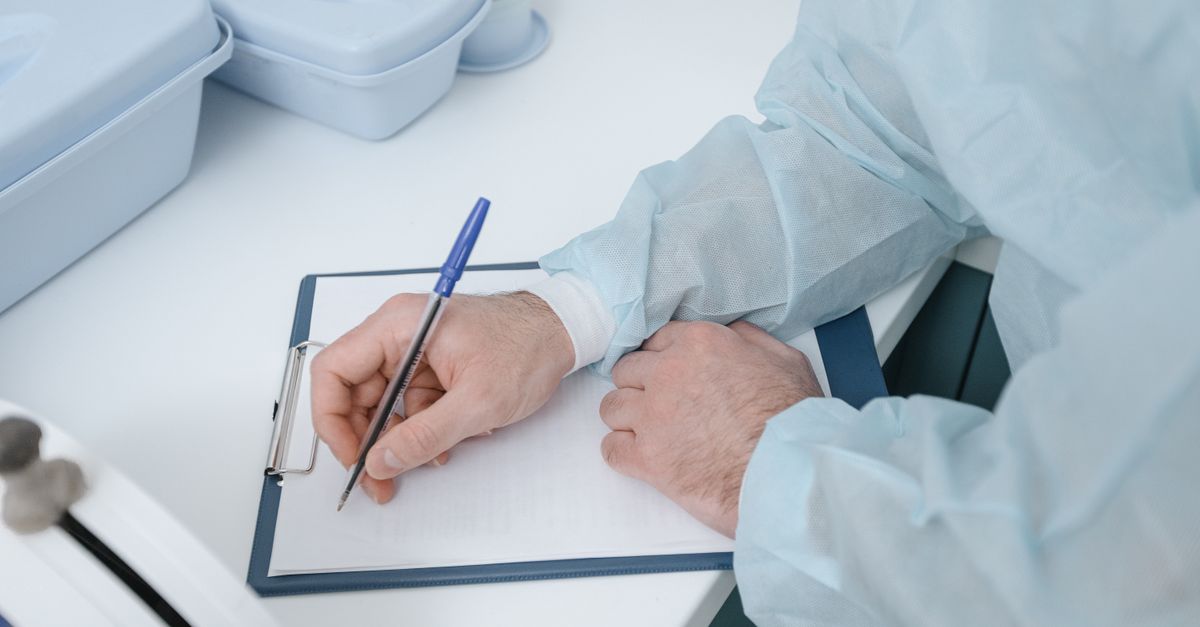
Here's how records go in a lot of practices. Details fade between the exam room and the keyboard. When the doctor is behind, a template SOAP note gets copied and pasted, sometimes with the wrong details left in. The documentation backlog grows every week and never catches up, so charts get finished after close, at the kitchen table, or not at all.
The cost is tired doctors, incomplete records, and the next veterinarian who opens the chart and can't tell what happened.
What the Medical Record Documentation Agent does, step by step
The Medical Record Documentation Agent starts with the people in the room, then does the writing.
- It lets the client know. At check-in, the agent's message to the client explains that the visit conversation is captured for the medical record, so nobody is surprised.
- It listens in the exam room. With the doctor's go-ahead, the agent captures the conversation and the veterinarian's dictation during the exam.
- It asks the doctor about gaps. Before the record is finalised, the agent flags anything incomplete, such as a missing weight, an unrecorded vaccine lot or a plan without a recheck date, and sends the doctor a short list to fill in.
- It sends the client their instructions. Once the doctor approves the record, the agent sends the client the take-home instructions from the plan, where your practice chooses to.
- It drafts the SOAP note. The agent structures what it heard into subjective, objective, assessment and plan, using the doctor's own words and the findings they dictated.
- It files in the PIM. When the doctor signs, the agent files the finished note in the patient's record in your practice management software, before the next patient walks in.
The veterinarian reviews and signs every note; the agent drafts, the doctor decides. It works in the tools your practice already uses: Cornerstone as the PIM, Twilio and Gmail for client messages, and Google Docs for any referral letters built from the record.
Where the work is recorded
A note that stays in a draft folder isn't a medical record. The Medical Record Documentation Agent writes each step where your team already looks.
In the patient's record in the PIM, the team sees the signed SOAP note, the date and doctor, and the plan with its recheck. The gaps the agent flagged, and how the doctor resolved them, are kept with the note. On the client's household record in the CRM, the instructions sent and any reply are logged, so the front desk knows what the client was told.
So the next morning, the medical director opens the list and sees which notes are signed, which are waiting for a doctor's review and which gaps are still open. A doctor seeing the patient for a recheck reads a complete record and picks up exactly where the last visit left off.
What your people do instead
Your team stays with the patients and clients in front of them.
- Veterinarians practise medicine. Their attention stays on the patient and the client in the room, not on remembering details for later.
- Doctors go home on time. The backlog shrinks when every note is drafted before the next exam.
- Technicians and the front desk have answers. A complete record means a client's question on the phone can be answered from the chart.
- Clients feel heard. A doctor who is looking at them, not a screen, is part of client satisfaction.
For more on the charting backlog, see ending late-night charting. For the front-desk side of a busy day, read solving morning phone chaos.
One next step
If your doctors are charting after close, find out whether this is the right workflow to hand off first. The free Veterinary Industry Assessment looks at how your practice works and shows which workflow an agent should take first.
To see how the AgentWorks Medical Record Documentation Agent fits with the other agents built for veterinary practices, visit the veterinary industry page.
See where the Medical Record Documentation Agent would start in your veterinary business.
I'm Dr. Hailey, the Veterinary ambassador here. The free Industry Assessment reads your website and asks how calls, follow-ups and records happen today, then shows the first workflow worth handing to an agent like this one — and what your team gets back. Leave your email and I'll send the link.
Dr. Hailey replies from veterinary@agentworksstudio.com. One email with the link — no list, no drip, unless you ask for the weekly letter. Or go straight there →